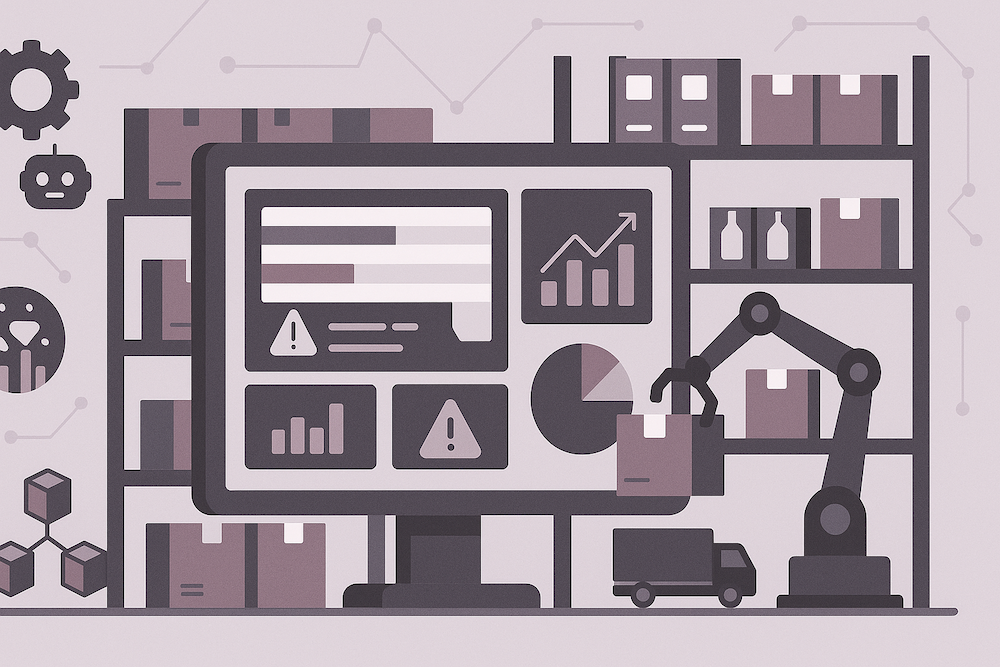
For retailers, the nightmare of stockouts is a constant threat. Empty shelves mean lost sales, frustrated customers, and a direct hit to your bottom line. In today’s fast-paced retail environment, relying on manual inventory management and reordering processes is a recipe for disaster. The sheer volume of products, fluctuating demand, and complex supply chains make it nearly impossible to keep pace without an automated inventory reordering system that ensures products are always in stock.
This is where an automated inventory reordering system becomes not just a convenience but a necessity. By leveraging technology to predict demand, monitor stock levels in real time, and automatically trigger purchase orders, retailers can virtually eliminate stockouts, optimize inventory, and significantly improve operational efficiency. This article explores how automated reordering systems work, their key benefits for retailers, and how they help maintain optimal stock levels—even in unpredictable market conditions.
The High Cost of Manual Reordering: Why Retailers Struggle
Many retailers, especially small to medium-sized businesses, still rely on manual processes or basic spreadsheets for inventory management. While seemingly cost-effective initially, this approach quickly becomes a significant liability as businesses grow. Here’s why:
Inaccurate Stock Counts and Data Entry Errors
Human error is inevitable. Manual counting, data entry, and tracking of inventory can lead to significant discrepancies between physical stock and recorded levels. These inaccuracies can result in overstocking (tying up capital and storage space) or, more critically, understocking and stockouts, directly impacting sales and customer satisfaction.
Slow Response to Demand Fluctuations
Retail demand is rarely static. Seasonal trends, marketing campaigns, and unexpected events can cause rapid shifts. Manual reordering processes are inherently slow and reactive, making it difficult to respond quickly to these changes. By the time a manual order is placed, the demand might have already shifted, leading to missed sales opportunities or excess inventory.
Inefficient Use of Staff Time
Valuable employee time is often consumed by tedious, repetitive tasks like physical inventory counts, manual order calculations, and chasing down suppliers. This diverts staff from more strategic, customer-facing activities that could drive business growth. Relying on manual methods can be a clear indicator that your business needs a more robust solution.
Missed Opportunities and Lost Sales
Stockouts are a direct cause of lost sales. When a customer can’t find the product they want, they’ll often go to a competitor. Beyond the immediate loss, repeated stockouts can damage your brand reputation and erode customer loyalty. Manual systems simply lack the predictive power to anticipate demand and ensure products are always available.
Suboptimal Inventory Levels and Carrying Costs
Without precise data and automated calculations, retailers often maintain either too much or too little inventory. Overstocking leads to increased carrying costs (storage, insurance, obsolescence), while understocking results in lost sales. Finding that sweet spot of optimal inventory is nearly impossible with manual methods.
The Solution: How Automated Inventory Reordering Systems Eliminate Stockouts
An automated inventory reordering system transforms these challenges into opportunities. By leveraging data and intelligent algorithms, these systems provide a proactive approach to inventory management, ensuring retailers can meet demand without the fear of stockouts.
Real-Time Visibility and Accuracy
At the heart of automated reordering is real-time data. These systems continuously monitor inventory levels, sales data, and even external factors like seasonal trends and promotions. This constant flow of accurate information eliminates the guesswork and human error associated with manual tracking.
Predictive Analytics for Demand Forecasting
Automated systems don’t just react; they predict. By analyzing historical sales data, current trends, and external factors, they can accurately forecast future demand. This predictive capability allows the system to automatically calculate optimal reorder points and quantities, ensuring that products are ordered and received just in time to meet anticipated demand. This is crucial for preventing stockouts, especially for fast-moving or seasonal items.
Automatic Purchase Order Generation
One of the most significant time-savers is the automatic generation of purchase orders. Once a product’s stock level hits its predetermined reorder point, the system automatically creates and sends a purchase order to the supplier. This eliminates manual intervention, reduces lead times, and ensures that replenishment happens seamlessly and efficiently.
Optimized Inventory Levels and Reduced Carrying Costs
By precisely matching supply with demand, automated reordering systems help maintain optimal inventory levels. This means less capital tied up in excess stock and reduced carrying costs (storage, insurance, obsolescence). Conversely, by preventing stockouts, these systems ensure that sales opportunities are never missed, directly boosting revenue and profitability.
Enhanced Efficiency and Productivity
Automating the reordering process frees up your team from tedious administrative tasks. Employees can then focus on more strategic activities, such as customer service, sales, and business development. This not only improves overall operational efficiency but also boosts employee morale and productivity.
Key Features to Look for in an Automated Inventory Reordering System
When evaluating automated inventory reordering systems, retailers should prioritize solutions that offer the following essential features:
Customizable Reorder Rules and Parameters
The system should allow you to set flexible reorder points and quantities based on various factors, including sales velocity, lead times, supplier minimums, and seasonal demand. The ability to customize these rules per product or category is crucial for optimal inventory control.
Integration with Existing Systems
Seamless integration with your existing point-of-sale (POS), enterprise resource planning (ERP), and e-commerce platforms is paramount. This ensures real-time data flow across your entire operation, eliminating data silos and manual reconciliation. NetSuite highlights the importance of integration with ERP and WMS systems for effective inventory management.
Advanced Reporting and Analytics
Robust reporting capabilities are essential for understanding inventory performance, identifying trends, and making informed decisions. Look for dashboards that provide insights into stock levels, sales forecasts, inventory turnover, and potential stockout risks. These analytics empower you to continuously refine your reordering strategies.
Multi-Location Inventory Management
For retailers with multiple stores or warehouses, the system must support multi-location inventory tracking and reordering. This ensures that stock is optimally distributed across all your locations, preventing stockouts in one store while another has excess inventory.
Supplier Management and Communication
An effective system should streamline communication with your suppliers, allowing for automated purchase order generation and tracking. Features like supplier portals or direct integration can significantly reduce lead times and improve supplier relationships.
User-Friendly Interface and Scalability
Choose a system that is intuitive and easy for your team to use, minimizing training time and maximizing adoption. Additionally, ensure the solution is scalable, capable of handling your business’s growth in terms of product volume, locations, and transaction complexity.
Ready to Eliminate Stockouts and Boost Your Bottom Line?
For retailers, the path to sustained growth and customer satisfaction lies in efficient inventory management. An automated inventory reordering system is the strategic investment that can transform your operations, eliminate the headache of stockouts, and free up valuable resources.
Don’t let manual processes hold your business back. Discover how SuppliFlex can provide the robust, intelligent automated reordering capabilities you need to optimize your inventory, reduce costs, and ensure your shelves are always stocked with what your customers want.
Schedule a Free Demo with SuppliFlex Today and See the Future of Retail Inventory Management!
FAQs
An automated inventory reordering system is a software-driven solution that uses predefined rules and real-time data to automatically generate purchase orders for inventory replenishment. It helps businesses maintain optimal stock levels, prevent stockouts, and reduce manual effort in managing inventory.
By continuously monitoring inventory levels and sales data, the system can predict when stock will run low based on historical trends and current demand. It then automatically triggers a reorder when the stock reaches a predetermined reorder point, ensuring that new inventory arrives before existing stock is depleted.
Absolutely. While often associated with large enterprises, automated reordering systems are increasingly accessible and beneficial for small to medium-sized businesses (SMBs). They help SMBs overcome the challenges of manual inventory management, improve efficiency, and compete more effectively with larger players. Many solutions offer scalable features and pricing to fit various business sizes.
These systems typically use a variety of data points, including historical sales data, current inventory levels, lead times from suppliers, minimum order quantities, and demand forecasts. Some advanced systems may also incorporate external factors like seasonal trends, marketing promotions, and even weather patterns to refine their predictions.
The implementation timeline can vary depending on the complexity of your business, the size of your inventory, and the specific system chosen. However, many modern cloud-based solutions are designed for relatively quick deployment. A well-planned implementation, including data migration and staff training, can often be completed within a few weeks to a few months, allowing businesses to start realizing benefits rapidly.
Leave a Reply